

Anxiety, panic attacks, and stress are among the most common mental health challenges people experience today. In the United States, millions of individuals search each month for answers to questions like “Why do I feel anxious all the time?”, “Am I having a panic attack?”, or “How can I reduce stress?”
While these experiences are common, they can feel overwhelming, frightening, and isolating when you are living through them. The good news is that anxiety, panic, and stress are understandable, manageable, and treatable. With the right knowledge and tools, relief is possible.
This guide explores what anxiety, panic attacks, and stress are, how they are connected, what causes them, and—most importantly—what you can do to feel better.
Understanding Anxiety, Panic Attacks, and Stress
Although the terms anxiety, panic attacks, and stress are often used interchangeably, they are not the same. Understanding the differences can help you make sense of what you are experiencing.
What Is Stress?
Stress is your body’s natural response to pressure or demand. It occurs when you feel overwhelmed, threatened, or under pressure—whether from work deadlines, financial worries, relationship issues, or major life changes.
Short-term stress can be helpful, motivating you to respond to challenges. However, chronic stress—when stress never seems to switch off—can have serious effects on both mental and physical health.
Common stressors include:
- Work or academic pressure
- Financial difficulties
- Family or relationship conflict
- Health concerns
- Major life transitions

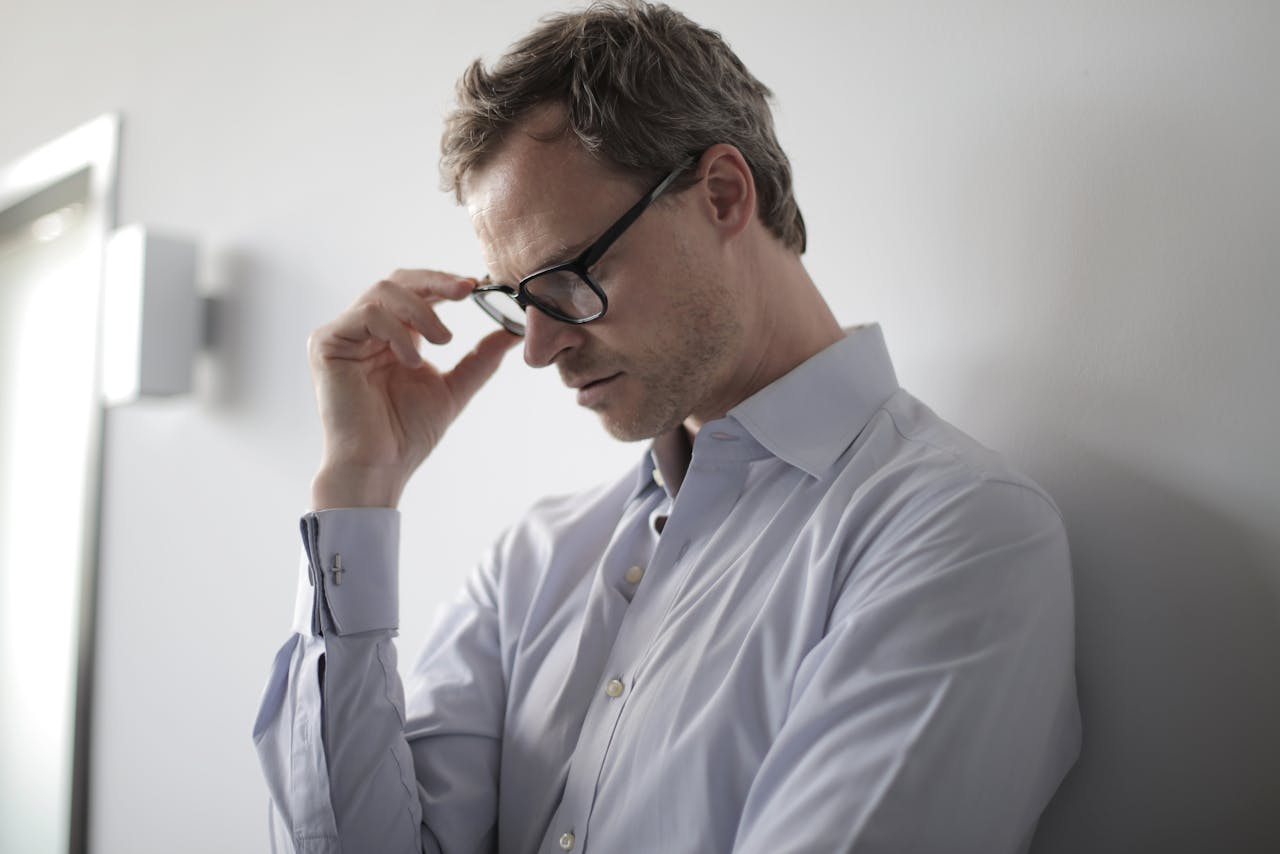
What Is Anxiety?
Anxiety goes beyond everyday stress. It involves persistent worry, fear, or unease, often even when there is no immediate threat. Anxiety can linger long after a stressful situation has passed and may feel difficult to control.
Anxiety often focuses on what might happen, rather than what is happening right now. Over time, it can interfere with sleep, concentration, relationships, and overall quality of life.
What Is a Panic Attack?
A panic attack is a sudden surge of intense fear or discomfort that peaks quickly—often within minutes. Panic attacks can feel overwhelming and are frequently mistaken for heart attacks or other medical emergencies.
While panic attacks are not dangerous, they can be terrifying. Fear of having another panic attack can sometimes lead people to avoid certain places or situations, which can significantly restrict daily life.
Common Symptoms
Anxiety, panic attacks, and stress affect the body and mind in powerful ways. Symptoms vary from person to person, but there are common patterns.
Anxiety Symptoms
Emotional and cognitive symptoms
- Excessive worry or fear
- Racing or intrusive thoughts
- Difficulty concentrating
- Feeling on edge or restless
- Irritability
Physical symptoms
- Muscle tension
- Fatigue
- Headaches
- Upset stomach or nausea
- Difficulty sleeping
Panic Attack Symptoms
Panic attacks often come on suddenly and may include:
- Rapid heartbeat or chest pain
- Shortness of breath or choking sensations
- Dizziness or lightheadedness
- Sweating or chills
- Shaking or trembling
- Numbness or tingling
- Fear of losing control or dying
These symptoms can be intense, but they usually peak within 10–20 minutes.
Stress Symptoms
Chronic stress can show up as:
- Constant tension or overwhelm
- Changes in appetite
- Trouble sleeping
- Frequent illness or lowered immunity
- Burnout or emotional exhaustion


What Causes Anxiety, Panic Attacks, and Stress?
There is no single cause. Instead, these experiences usually arise from a combination of factors.
Biological Factors
- Genetics can influence vulnerability to anxiety
- Brain chemistry and nervous system sensitivity play a role
- Hormonal changes can increase anxiety and stress responses
Psychological Factors
- Perfectionism or high self-criticism
- Difficulty tolerating uncertainty
- Past trauma or adverse experiences
- Learned patterns of worry or fear
Environmental and Lifestyle Factors
- Chronic work or financial stress
- Lack of rest or recovery
- Poor boundaries and overcommitment
- Exposure to constant news or social media
- Major life changes or losses
The Fight-or-Flight Response
Anxiety and panic are closely linked to the body’s fight-or-flight response. This survival system prepares you to respond to danger by increasing heart rate, breathing, and alertness.
When this system becomes overactive, your body may react as if there is danger—even when you are safe. Understanding this response can help reduce fear of symptoms and support recovery.
How Anxiety, Panic Attacks, and Stress Are Connected
Stress often acts as a trigger, anxiety as a pattern, and panic attacks as an acute episode.
For example:
- Ongoing stress may increase anxiety
- Heightened anxiety can make the nervous system more reactive
- Panic attacks may occur when anxiety peaks
Recognizing this connection can help you address the root causes, not just the symptoms.
How to Find Relief: Practical Strategies That Help
While everyone’s experience is unique, research shows that certain strategies consistently reduce anxiety, panic, and stress.
1. Learn to Calm the Nervous System
Slow, intentional breathing can reduce panic and anxiety by signaling safety to the body.
Try this:
- Inhale slowly through your nose for 4 seconds
- Hold for 2 seconds
- Exhale through your mouth for 6 seconds
Repeat for a few minutes.
2. Ground Yourself During Anxiety or Panic
Grounding techniques help bring attention back to the present moment.
Examples include:
- Naming five things you can see, four you can feel, three you can hear
- Placing your feet firmly on the ground and noticing physical sensations
- Holding something cold or textured
3. Reduce Avoidance
Avoiding situations that trigger anxiety or panic may bring short-term relief, but it often increases fear over time. Gradual, supported exposure helps retrain the brain to recognize safety.
4. Build Healthy Stress Management Habits
Daily habits have a powerful impact on mental health:
- Prioritize sleep and rest
- Maintain regular movement or exercise
- Eat balanced, nourishing meals
- Set boundaries around work and technology
- Schedule time for recovery and enjoyment
5. Challenge Unhelpful Thought Patterns
Anxiety often involves catastrophic or “worst-case scenario” thinking. Learning to question these thoughts can reduce their intensity.
Ask yourself:
- Is this thought a fact or a fear?
- What evidence supports or contradicts it?
- What would I say to a friend in this situation?
6. Seek Professional Support
Therapy can be highly effective for anxiety, panic attacks, and stress. Evidence-based approaches such as cognitive behavioral therapy (CBT), acceptance-based therapies, and trauma-informed care help people understand their symptoms and develop coping skills.
Medication may also be helpful for some individuals, particularly when symptoms are severe or persistent. A qualified healthcare professional can guide these decisions.
When to Seek Immediate Help
If anxiety, panic, or stress:
- Interferes with daily functioning
- Causes thoughts of self-harm or hopelessness
- Feels unmanageable despite self-help efforts
It is important to seek professional or emergency support immediately. Reaching out is a sign of strength—not weakness.
Living With Hope and Compassion
Anxiety, panic attacks, and stress can make life feel smaller, more uncertain, and harder to enjoy. But they do not define you, and they are not permanent states.
Recovery is rarely about eliminating anxiety completely. Instead, it is about learning to respond differently, building resilience, and developing trust in your ability to cope—even when discomfort arises.
With understanding, support, and practical tools, it is possible to:
- Reduce anxiety and stress
- Prevent or manage panic attacks
- Reclaim confidence and quality of life
Anxiety, panic attacks, and stress are common human experiences—especially in a fast-paced, high-pressure world. By understanding their symptoms and causes, and by using proven strategies to calm the nervous system and care for your mental health, relief becomes achievable.
If you are struggling, you are not alone—and help is available. Small steps, taken consistently, can lead to meaningful change and lasting wellbeing.