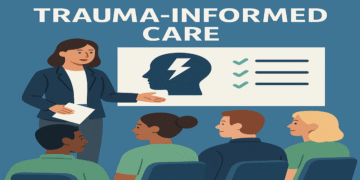



Supporting an employee or colleague who is experiencing emotional well-being challenges has become an essential capability within modern workplaces. The demands placed on individuals today are often intense and multifaceted, shaped by constant organizational change, hybrid working conditions, social pressures, and the emotional weight of personal responsibilities. When an individual begins to struggle, the effects can ripple throughout communication patterns, performance levels, interpersonal relationships, and broader team health. Although managers, HR professionals, and colleagues are not expected to act as mental health clinicians, they do play a significant role in shaping the environment in which employees feel either supported or isolated. A thoughtful, informed, and compassionate response can make a profound difference in how employees cope and recover.
Understanding the Nature of Emotional Well-Being Challenges at Work
Emotional well-being challenges in professional environments can arise from a wide range of causes, including excessive workload demands, unclear expectations, unresolved conflict, burnout, or personal difficulties that influence an employee’s capacity to function effectively. These challenges may appear gradually over time or emerge suddenly due to a significant event. They can involve emotional exhaustion, anxiety, irritability, difficulty concentrating, or a sense of overwhelm that affects decision-making and performance. It is essential to recognize that such experiences are not indicators of weakness. Instead, they are human responses to pressures that exceed an individual’s available resources. A workplace that understands this foundation responds with support rather than judgement.
Recognizing Behavioral, Cognitive, and Social Indicators of Distress
Emotional distress often shows up in observable patterns across behavior, cognitive functioning, and social interactions. Behaviorally, individuals may withdraw from collaboration, decline social engagement, or struggle to meet deadlines that were previously manageable. They may appear fatigued, emotionally reactive, or inconsistent in their work output. Cognitively, they may experience reduced concentration, indecisiveness, or persistent worry that interferes with problem-solving. Socially, distress may manifest as conflict with colleagues, avoidance of meetings, irritability, isolation, or reluctance to seek help. Recognizing these signs early allows supportive interventions before the situation escalates into more significant performance or health risks.
Creating an Environment That Encourages Conversations About Well-Being
Workplaces that effectively support emotional well-being cultivate psychologically safe environments where employees feel comfortable acknowledging their struggles without fear of stigma or negative consequences. Leaders influence this by modelling openness, communicating transparently, and demonstrating genuine concern for staff welfare. When well-being conversations are normalized through regular check-ins, accessible support options, and clear guidelines, employees are far more likely to seek assistance early. A supportive culture signals that emotional challenges are not uncommon and that help is available when needed. This reduces the likelihood of silent suffering and promotes healthier work dynamics.
Approaching a Colleague or Employee With Sensitivity and Professionalism
Approaching someone about their emotional well-being requires careful consideration of timing, location, and language. A private, uninterrupted setting allows for confidentiality and comfort. Communication should begin with observations rather than interpretations, such as noting specific behavioural changes that have been noticed. The tone should remain neutral, calm, and non-judgmental, allowing the individual to share in their own time. It is important to express genuine concern and reassure the individual that the purpose of the conversation is supportive rather than disciplinary. Providing space for silence, listening attentively, and avoiding rushed solutions can help the person feel safe enough to open up.
Using Active Listening Skills to Understand the Employee’s Experience
Active listening is central to supporting someone experiencing emotional distress. It involves giving full attention, maintaining appropriate eye contact, nodding, paraphrasing key points to confirm understanding, and asking open-ended questions that encourage deeper reflection. Reflective listening helps the individual feel heard and validated, reducing feelings of isolation or shame. Allowing pauses and silence communicates patience and respect for the emotional weight of the conversation. Active listening refrains from immediately offering solutions, instead prioritizing presence, understanding, and emotional validation.
Responding With Empathy, Validation, and Respect
Empathy and validation communicate that the person’s experiences are real and deserving of care. This does not require agreement with every perspective but does require acknowledging the difficulty of what they are facing. Respectful responses avoid minimizing the person’s emotions, making comparisons to others, or offering overly simplistic advice. Authentic empathy helps reduce defensiveness and encourages collaboration in identifying next steps. Employees who feel validated are more likely to engage constructively in problem-solving and to access available support resources.
Offering Appropriate Workplace Support Without Overstepping Boundaries
Managers and HR professionals can explore practical support options that reduce immediate pressure and create space for recovery. These may include adjusting workload distribution, offering flexible hours, modifying duties temporarily, or scheduling regular check-ins to monitor progress. Collaboration with HR ensures these accommodations align with organizational policies and legal responsibilities. Support should also include encouraging employees to access internal resources such as Employee Assistance Programs, mental health workshops, or digital well-being tools. Maintaining boundaries is essential. Supporters must avoid becoming the sole source of help and instead facilitate access to a broader support network.
Encouraging the Person to Seek Professional Mental Health Support
When emotional challenges persist or significantly impact functioning, suggesting professional support becomes important. This should be approached carefully and respectfully, framing professional help as a positive and empowering choice. Managers and HR representatives can provide information about available options, such as psychologists, counsellors, general practitioners, or telehealth services. It is essential to uphold confidentiality and respect the employee’s autonomy. Professional mental health support offers structured strategies, therapeutic tools, and comprehensive assessment that complement workplace assistance.
Developing a Support Plan With Clear Communication and Follow-Up
A structured support plan provides clarity and reduces uncertainty. This plan can outline agreed accommodations, timelines, expected outcomes, and responsibilities on both sides. Regular follow-ups ensure that adjustments remain effective and allow early identification of any new concerns. Transparent documentation of agreements, handled with sensitivity and confidentiality, strengthens trust and ensures alignment among the individual, the manager, and HR. This approach demonstrates organizational commitment while balancing operational needs.
Creating a Healthy, Preventative Workplace Culture
Beyond individual situations, workplaces benefit from investing in long-term emotional well-being strategies that prevent crises and improve overall organizational health. These strategies may include training leaders in trauma-informed practice, offering mental health education, building emotional intelligence within teams, promoting reasonable workloads, and encouraging open communication. Preventative approaches also involve modelling healthy work habits, acknowledging stress as a normal part of working life, and encouraging employees to prioritize rest and self-care. Such initiatives strengthen resilience, reduce turnover, minimize absenteeism, and promote a workplace culture where people thrive.
Knowing When Immediate or Emergency Action Is Required
In situations where there are signs of significant emotional risk, such as expressions of hopelessness, intention to self-harm, or extreme emotional instability, immediate action is required. Managers and HR professionals must follow organizational protocols, ensure the individual is not left alone, and contact emergency or crisis services if necessary. While leaders are not mental health clinicians, they hold responsibility for responding promptly to risk. Supporting the individual with care, discretion, and professionalism during such moments is critical for safety and for the integrity of the workplace response.
Maintaining Professional Boundaries and Self-Care for Supporters
Supporting someone through emotional challenges can affect the emotional load of the manager, colleague, or HR representative involved. Maintaining clear boundaries ensures that supporters remain effective without becoming overwhelmed. Strategies may include seeking guidance from supervisors, engaging in debriefing or reflective practice, taking regular breaks, and managing personal stress levels. Sustainable support requires acknowledging one’s own limits and ensuring that responsibility is appropriately shared across the organization.
Conclusion: Building a Workplace Where Emotional Well-Being Is a Shared Responsibility
Supporting someone with emotional well-being challenges in the workplace involves mental health awareness, sensitivity, communication, practical accommodation, and guidance toward professional help when needed. When organizations cultivate an environment that values psychological safety and long-term well-being, employees feel better supported, teams function more effectively, and the organization benefits from increased engagement, resilience, and stability. Emotional well-being is not an individual burden. It is a shared organizational commitment that strengthens both people and performance.