



Sleep and mental health are closely connected. When rest is inconsistent or light, everyday stress can feel heavier, focus can slip, and emotional balance often becomes harder to maintain. Improving sleep hygiene—the practical habits and environment that support better rest—is one of the most accessible ways to support overall wellbeing.
This guide explains what sleep hygiene is, why it matters for mental health, common barriers people face, and realistic strategies you can try. It stays educational and practical. It does not replace personalised advice from a healthcare professional.
What Is Sleep Hygiene?
Sleep hygiene refers to the routines, habits, and environmental choices that make it easier to fall asleep, stay asleep, and wake feeling more rested. According to the National Heart, Lung, and Blood Institute (NHLBI), core elements include a consistent sleep schedule, a calm pre-bed routine, a dark and cool bedroom, and limiting stimulants and screens close to bedtime.
Good sleep hygiene is not about forcing yourself to sleep or following rigid rules. It is about creating conditions that make rest more likely. The Centers for Disease Control and Prevention (CDC) notes that most adults need 7 or more hours of quality sleep for better mood, thinking, and overall health. Individual needs vary, and some people function well with slightly more or less.
Why Sleep Matters for Mental Health
Poor sleep and mental health difficulties often influence each other. Short or fragmented sleep can heighten irritability, make worries feel larger, and reduce the energy available for daily tasks. At the same time, stress, anxiety, or low mood can make it harder to switch off at night.
Research and public-health guidance consistently link sufficient sleep with better emotional regulation and cognitive performance. When sleep improves even modestly, many people notice it becomes easier to manage everyday challenges, maintain perspective, and engage with relationships and work. Sleep hygiene is one practical lever within that broader picture. If nighttime overthinking is a major barrier, our article on how to stop overthinking at night offers complementary strategies.
Common Barriers to Better Sleep
Many people know the basic advice yet still struggle. Common barriers include:
- Irregular schedules driven by work, caregiving, or social demands
- Evening screen use that delays the natural wind-down process
- Caffeine or alcohol later in the day
- A bedroom that is too warm, bright, or noisy
- Racing thoughts or stress that become louder once the lights go out
- Trying to “catch up” on weekends in ways that shift the body clock
These patterns are widespread. Recognising them without self-criticism is a useful first step. Self-compassion can make it easier to experiment with small changes rather than aiming for perfection. Our guide on self-compassion as a practical skill explores this further.
Practical Strategies to Improve Sleep Hygiene
1. Keep a Consistent Sleep and Wake Time
Going to bed and getting up at roughly the same times each day—including weekends—helps regulate the body clock. The NHLBI recommends limiting the difference between weekday and weekend schedules to about an hour when possible. Consistency often matters more than hitting an exact bedtime.
If your schedule shifts, start by protecting the wake time. Getting up at a similar hour most days makes it easier for sleepiness to arrive more predictably in the evening.
2. Build a Calming Pre-Bed Routine
The hour before bed works best when it signals that the day is ending. Useful elements include dimming lights, gentle stretching or reading, a warm bath or shower, or listening to calming audio. Avoid intense exercise, heavy meals, and stimulating content in this window.
A short, repeatable routine is more sustainable than a long list of steps. Choose two or three actions you can realistically do most nights.
Exercise: Design a 30-Minute Wind-Down
Set a timer for 10 minutes and write a simple sequence you could try for the next week:
- What time will you begin the wind-down most nights?
- Which two or three calming activities will you include? (Examples: dim lights, phone in another room, short stretch, read a few pages.)
- What will you do if you feel restless? (Example: sit in a chair and read until sleepiness returns.)
Keep the plan short enough that it feels manageable on a busy day.
3. Optimise the Sleep Environment
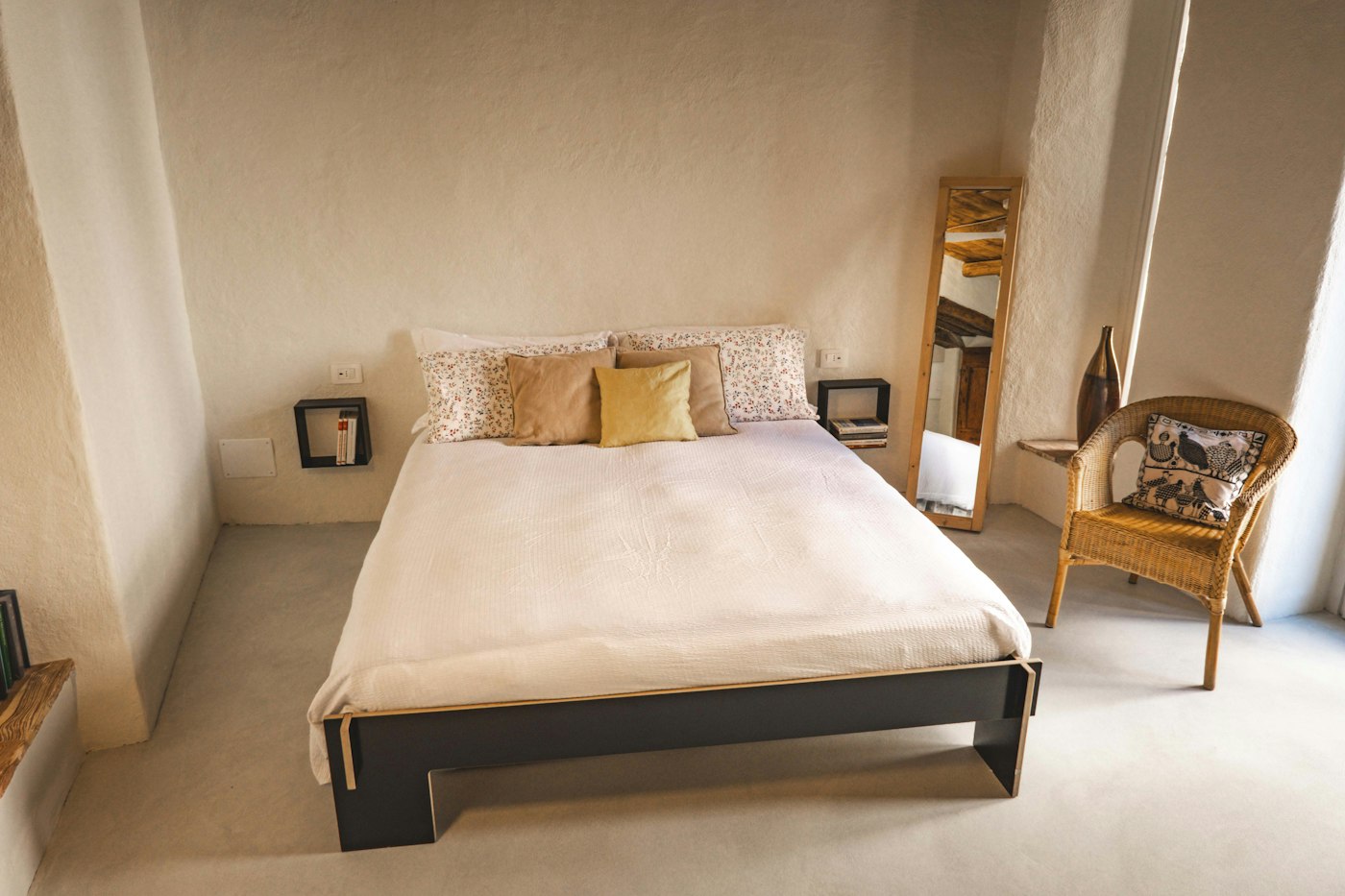
Most people sleep better in a cool, dark, and quiet room. The CDC and NHLBI both highlight keeping the bedroom dark (blackout curtains or an eye mask can help), quiet (earplugs or a white-noise machine if needed), and comfortably cool. A supportive mattress and pillows also make a difference, though upgrades are not required for everyone.
Reserve the bed mainly for sleep (and intimacy if relevant). Using the bed for work, scrolling, or watching stimulating shows can weaken the association between bed and rest.
4. Manage Light, Screens, and Stimulants
Bright light in the evening, especially blue-rich light from phones, tablets, and computers, can delay the natural rise in sleepiness. Aim to reduce screen use in the hour before bed or use night-mode settings if screens are unavoidable.
Caffeine’s effects can last several hours. Many people find it helpful to stop caffeine in the early to mid-afternoon. Alcohol may make it easier to fall asleep initially but often fragments sleep later in the night. Nicotine is also a stimulant. Daytime physical activity and morning light exposure support the body clock and can make evening wind-down easier.
5. Respond to Nighttime Thoughts Without Fighting Them
When worries or to-do lists appear at bedtime, trying to suppress them often backfires. A practical alternative is to keep a notepad nearby and briefly write down anything that needs attention tomorrow. Then return attention to a simple sensory focus (the feel of the sheets, the sound of breathing) or a short relaxation practice.
If thoughts keep looping, techniques that create a gentle pause—such as naming the thought and returning to the present—can reduce the sense of being stuck. Our piece on rumination versus worry explains the difference and offers further context.
Exercise: The 5-Minute Nighttime Clear
When you get into bed:
- Spend two minutes writing anything still on your mind (tasks, worries, ideas). No need to solve them.
- Close the notebook and place it out of reach.
- Take three slow breaths, lengthening the exhale.
- If a thought returns, gently note “thinking” and bring attention back to the breath or the weight of your body on the mattress.
This is a short experiment, not a requirement. Notice what happens over a few nights rather than judging a single attempt.
6. Protect Daytime Habits That Support Night Rest
Morning daylight, regular movement, and consistent meal timing all influence the body clock. Even a short walk outside earlier in the day can help. Protecting emotional boundaries during the day—such as ending work at a set time or limiting draining conversations—can reduce the mental load that carries into the evening. Our practical guide on setting emotional boundaries covers useful approaches.
Small daily habits compound. Our overview of 15 simple mental health habits includes several that pair well with better sleep routines.
When to Seek Further Support
Sleep hygiene strategies help many people, yet persistent difficulty falling or staying asleep, loud snoring, gasping, excessive daytime sleepiness, or sleep problems that significantly affect daily life warrant professional evaluation. Cognitive behavioural therapy for insomnia (CBT-I) is a structured, evidence-supported approach often recommended as a first-line option for ongoing insomnia. A healthcare professional can help determine what is appropriate for your situation.
If low mood, anxiety, or other mental health concerns are prominent, addressing those alongside sleep habits is often most effective. This article is for general education only.
Frequently Asked Questions
How long does it take for sleep hygiene changes to help?
Some people notice shifts within a few days of a more consistent schedule or reduced evening screen time. For others, especially when stress or irregular patterns have been long-standing, improvements appear more gradually over one to two weeks of steady practice. Tracking one or two changes at a time makes it easier to see what helps.
What if I cannot fall asleep after 20 minutes?
Getting out of bed and doing a calm, low-stimulation activity (such as reading in dim light) until you feel sleepy again is a common recommendation. Returning to bed only when sleepiness returns helps preserve the bed as a place for rest rather than frustration.
Is napping helpful or harmful?
Short naps (around 20 minutes) earlier in the day can boost alertness for some people. Long or late-afternoon naps often make it harder to fall asleep at night. Experiment and notice what works for your schedule and energy.
Can better sleep hygiene alone fix mental health difficulties?
Sleep hygiene supports mental wellbeing but is rarely a complete solution on its own when difficulties are significant or long-standing. It works best as one part of a broader approach that may include professional support, social connection, movement, and other practical strategies.
Conclusion
Improving sleep hygiene is a practical, evidence-aligned way to support mental health. Consistent timing, a simple wind-down routine, a supportive environment, and gentle handling of nighttime thoughts can make rest more accessible. Start with one or two changes that feel realistic rather than overhauling everything at once. Small, repeated adjustments often create the most sustainable difference.
If sleep difficulties persist or affect your daily life, speaking with a qualified professional can provide personalised guidance. For related reading, explore strategies for managing nighttime overthinking, setting boundaries that protect recovery time, or building everyday mental health habits.
Disclaimer: This article is for general educational purposes only. It is not a substitute for personalised medical or mental health advice, diagnosis, or treatment.
